
Your private Tokyo experience
Two hours north of Tokyo by bullet train, the landscape shifts from glass and steel to clay and volcanic stone. This day moves between two of Tochigi's most distinctive places — Mashiko, a small pottery town that reshaped Japanese ceramics, and Oya, where centuries of quarrying have carved a subterranean world out of...
Two hours north of Tokyo by bullet train, the landscape shifts from glass and steel to clay and volcanic stone. This day moves between two of Tochigi's most distinctive places — Mashiko, a small pottery town that reshaped Japanese ceramics, and Oya, where centuries of quarrying have carved a subterranean world out of the earth.
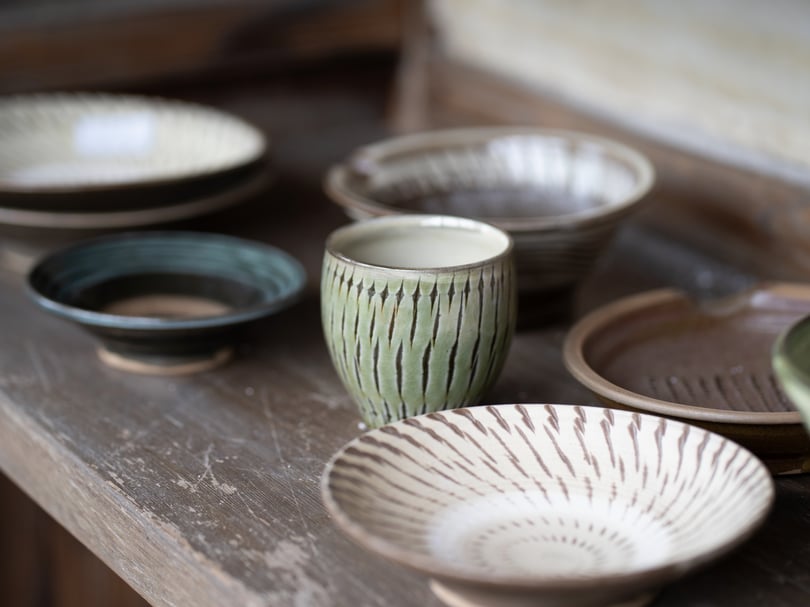
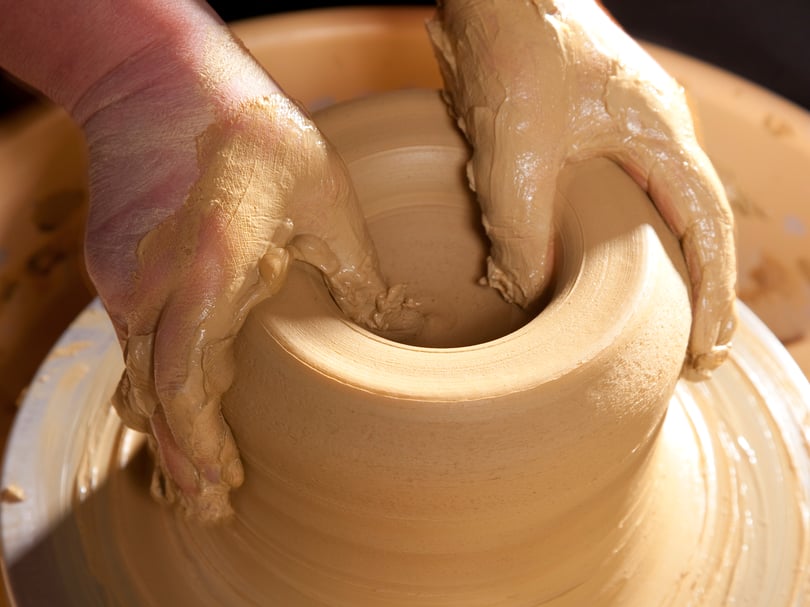
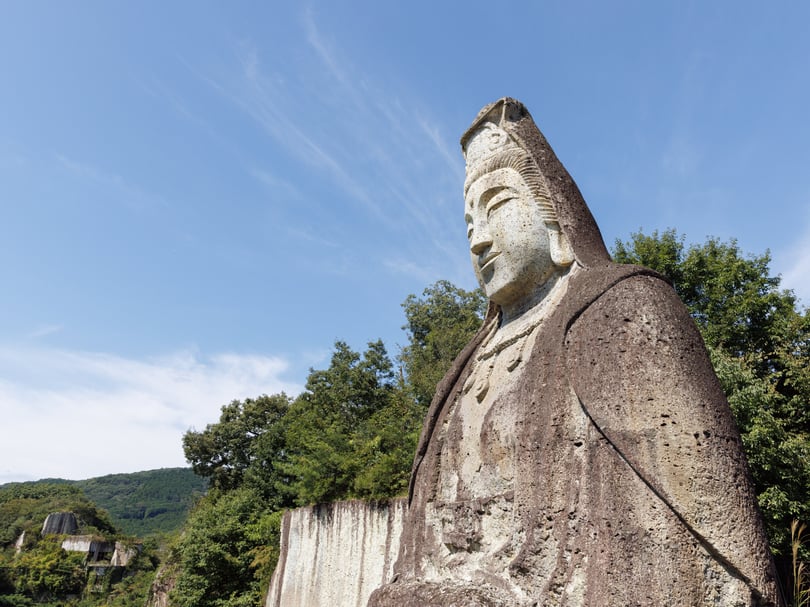
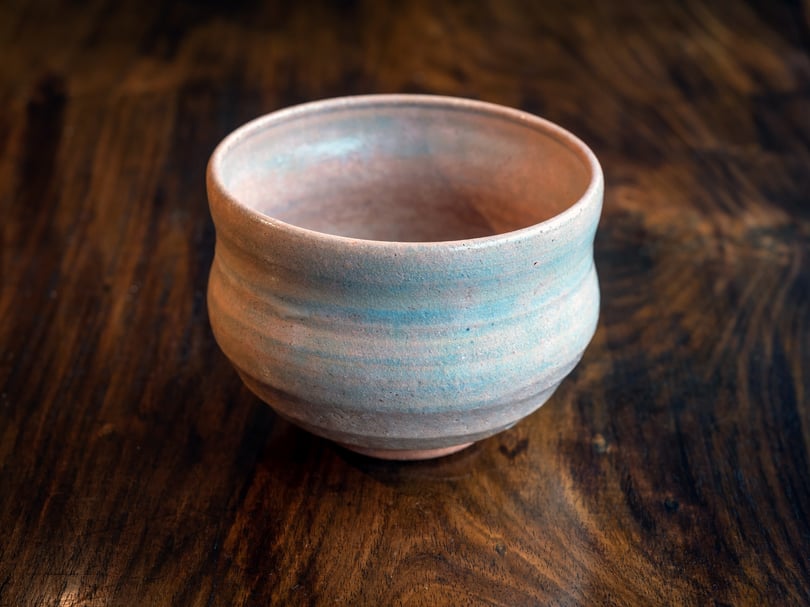
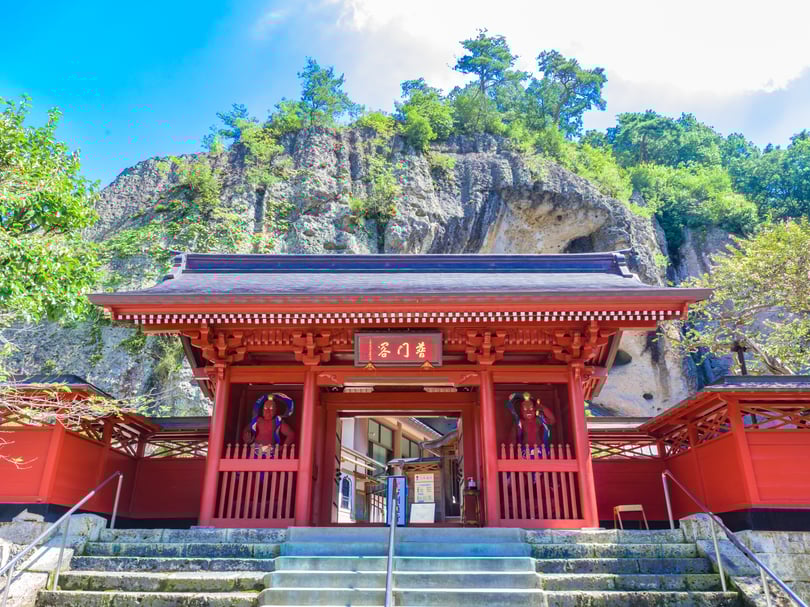
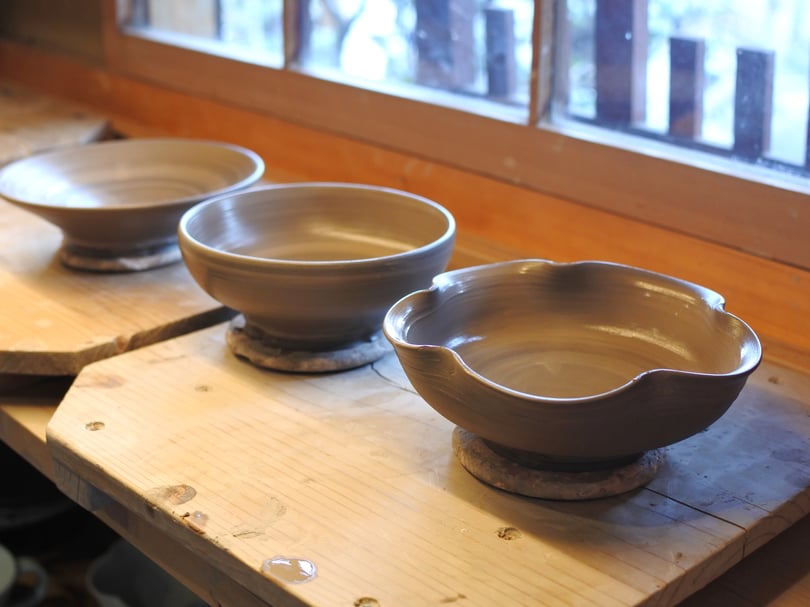
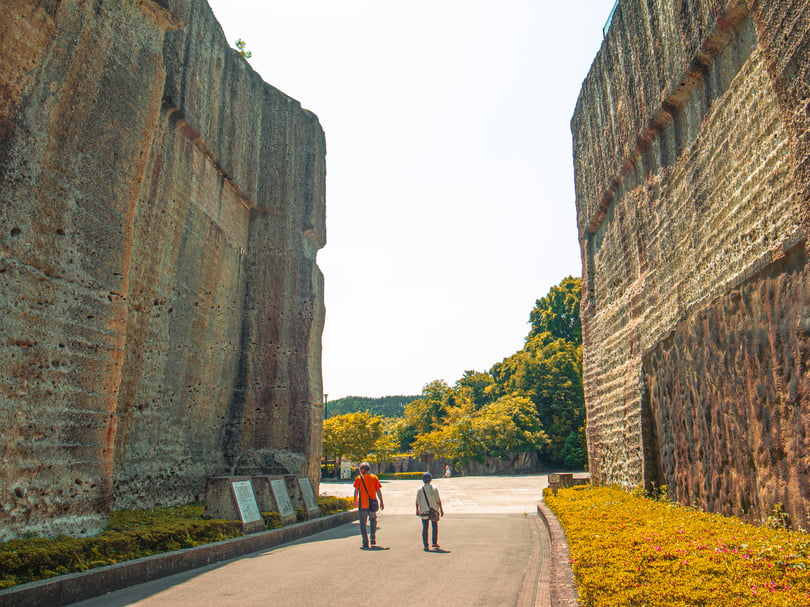
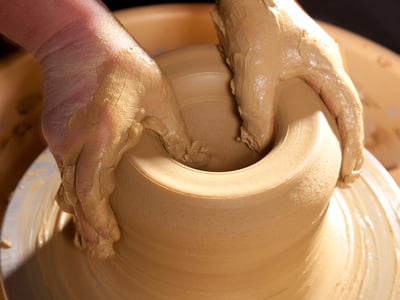
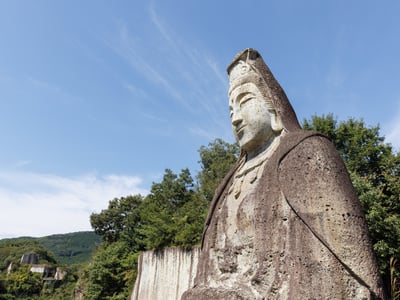
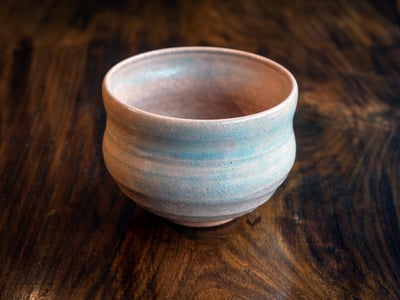
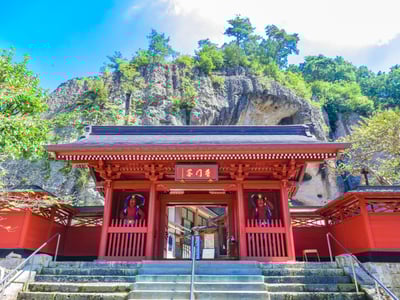
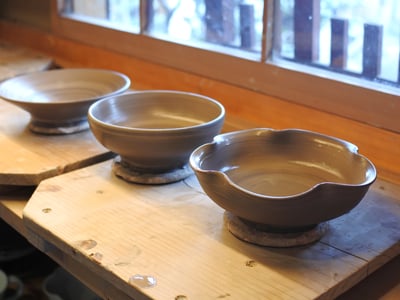
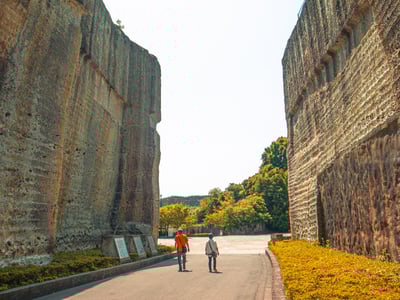
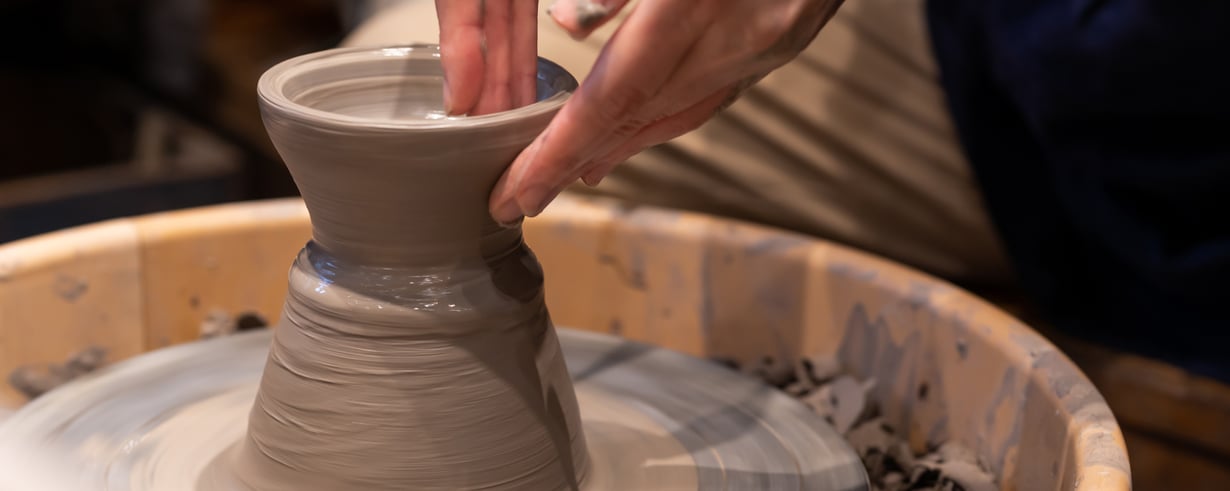
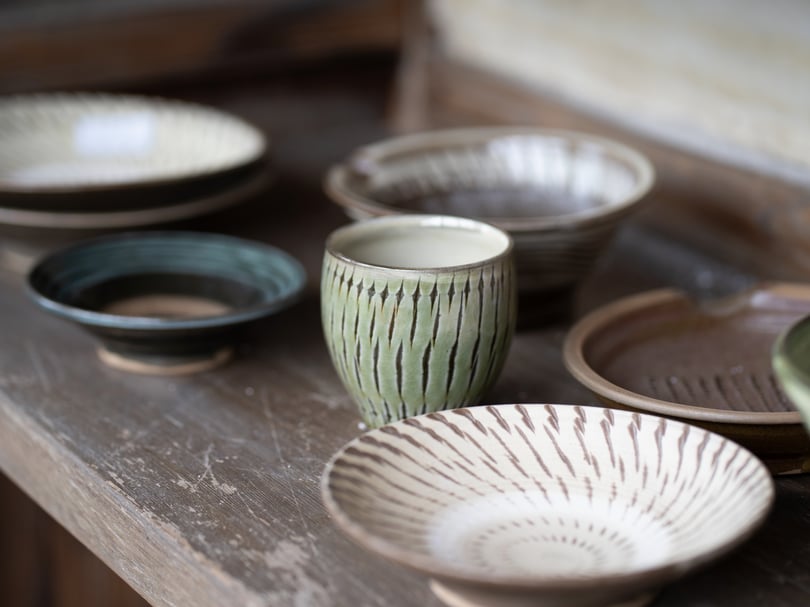
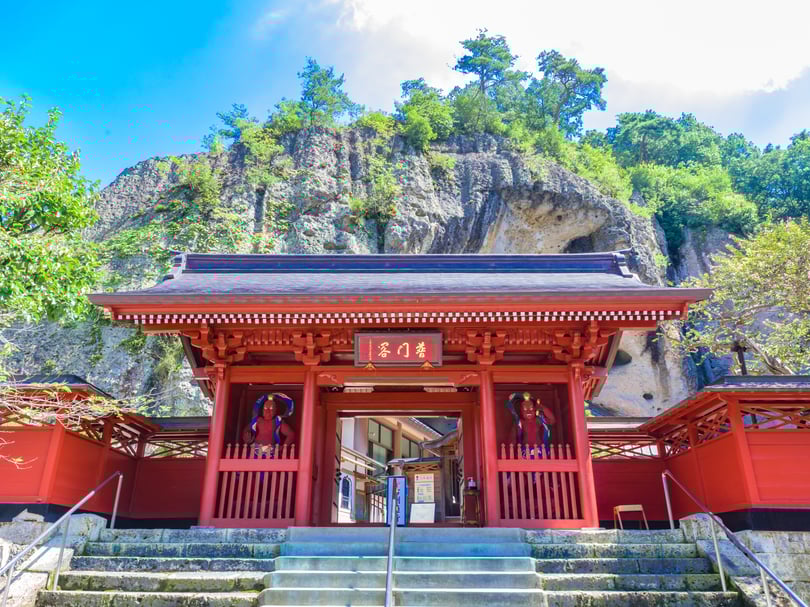
Your guide, fluent in the local craft traditions, leads you along Jonaizaka, the main pottery street in Mashiko, where nearly 260 kilns and 50 shops sit among quiet storefronts and independent galleries. This is the town where Shoji Hamada, one of the first artisans named a Living National Treasure, settled in 1924 and helped launch the mingei folk art movement, championing the beauty of everyday, handmade objects. That ethos still runs through everything here. You'll sit down for a hands-on workshop to shape your own piece of Mashiko-yaki ceramic, learning directly from generational artisans using the techniques that have defined this craft for centuries. In Oya, you'll descend into a former quarry that feels not so much like a mine as an underground cathedral — 20,000 square meters of underground chambers, cool and dimly lit, with walls still bearing the marks of generations of stonecutters. The volcanic tuff, roughly 15 million years old, is the same material used by Frank Lloyd Wright for the facade of Tokyo's original Imperial Hotel. From here, it's a short walk to Oya Temple, where 10 Buddhist figures are carved directly into the cliff face, a landmark designated by Japan as both a Special National Historic Site and an Important Cultural Property. Your guide walks you through the meaning behind each figure, from the founding legend of the monk Kukai to the nearly four-meter Senju Kannon that anchors the wall. Throughout the day, your local guide handles every transition seamlessly, from hotel to train to countryside, so the experience feels unhurried despite the ground it covers.