Your private Granada experience
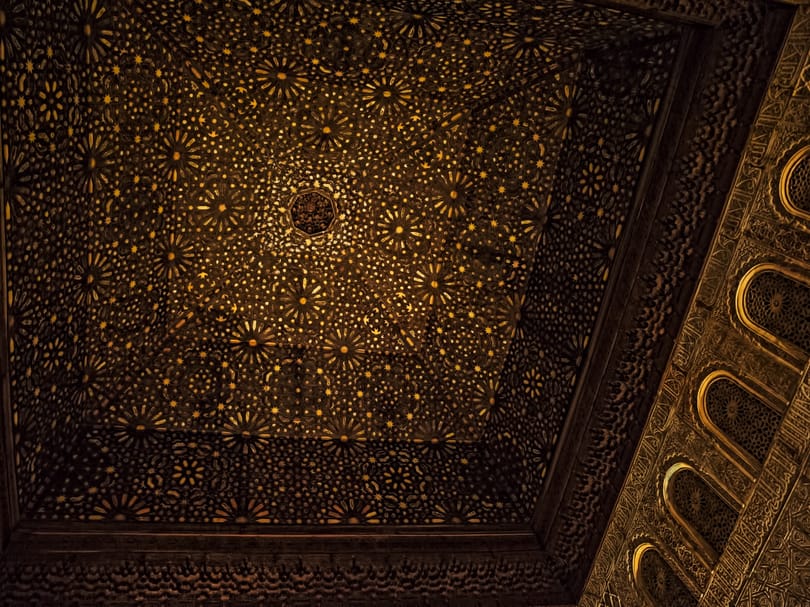
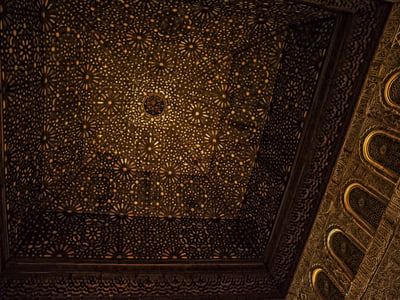
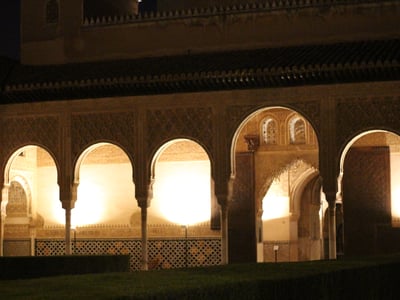
After dark, when the daytime crowds have gone, the Alhambra becomes a different place. Softer light. The sound of water, channeled through fountains laid in the 14th century, carrying through quiet rooms. You’ll notice details lost to daylight, like the intricate, reflective geometry of muqarnas ceilings and the play...
After dark, when the daytime crowds have gone, the Alhambra becomes a different place. Softer light. The sound of water, channeled through fountains laid in the 14th century, carrying through quiet rooms. You’ll notice details lost to daylight, like the intricate, reflective geometry of muqarnas ceilings and the play of shadow between marble pillars.
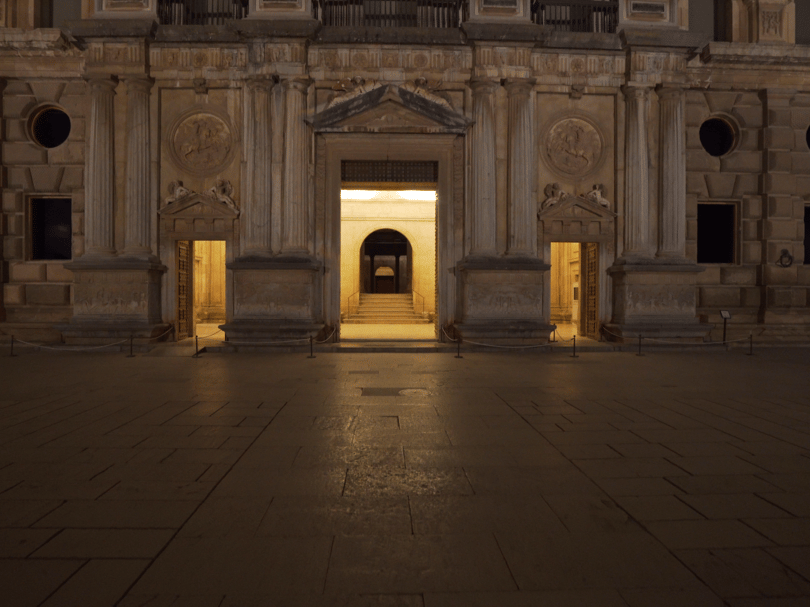
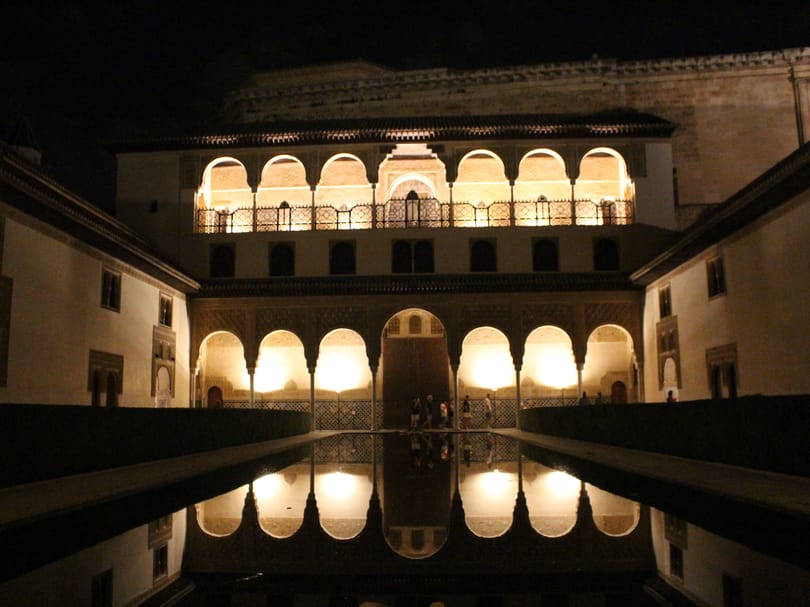
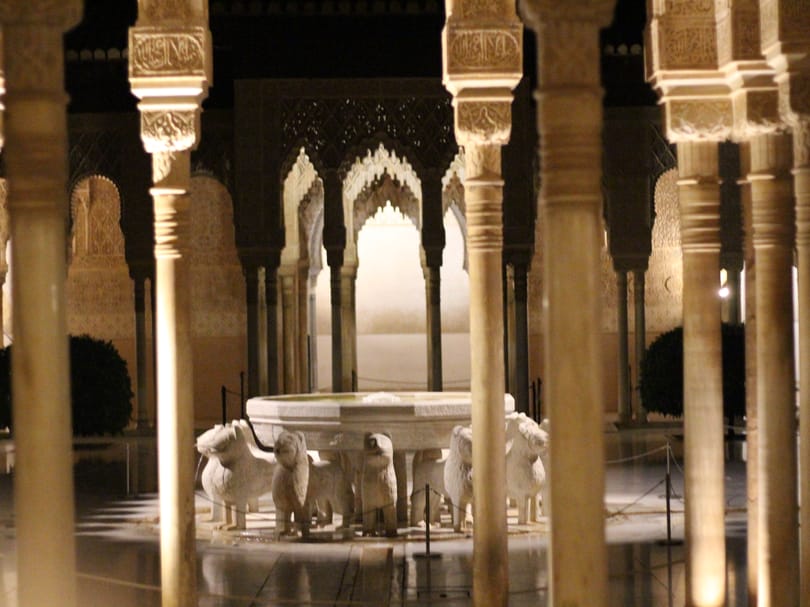
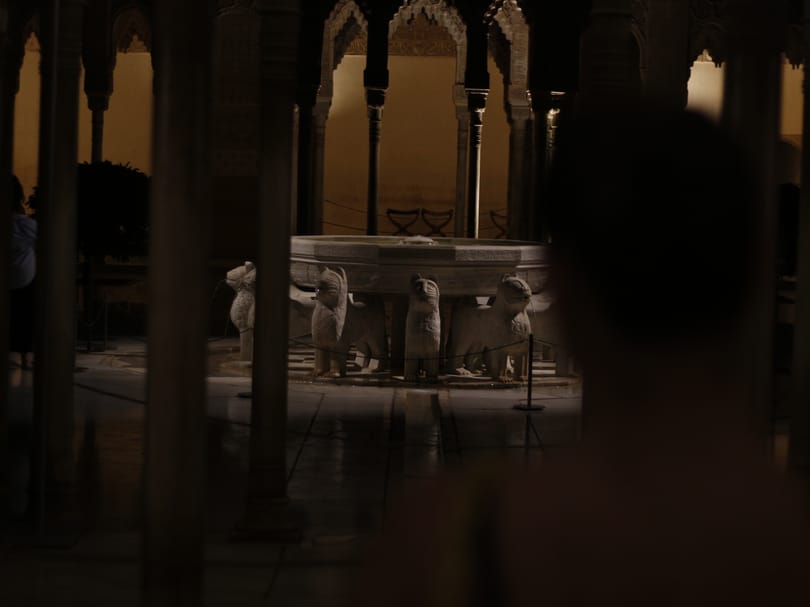
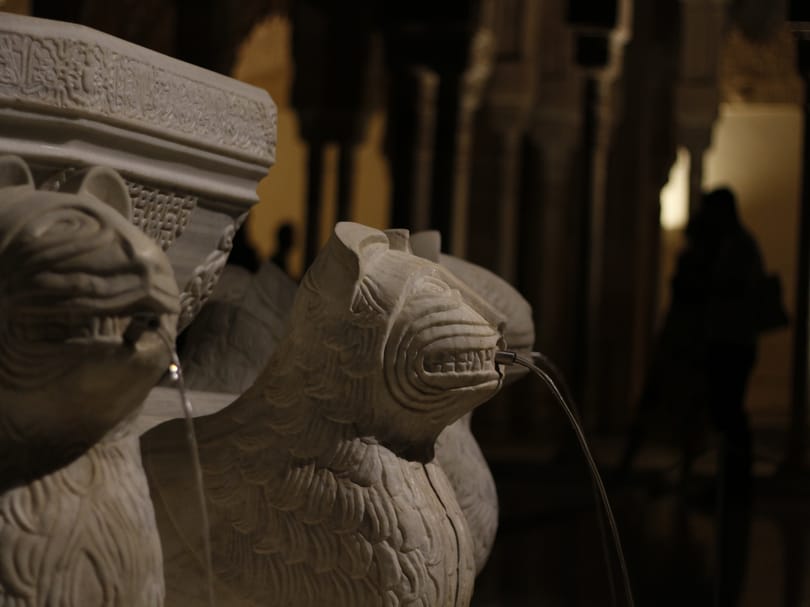
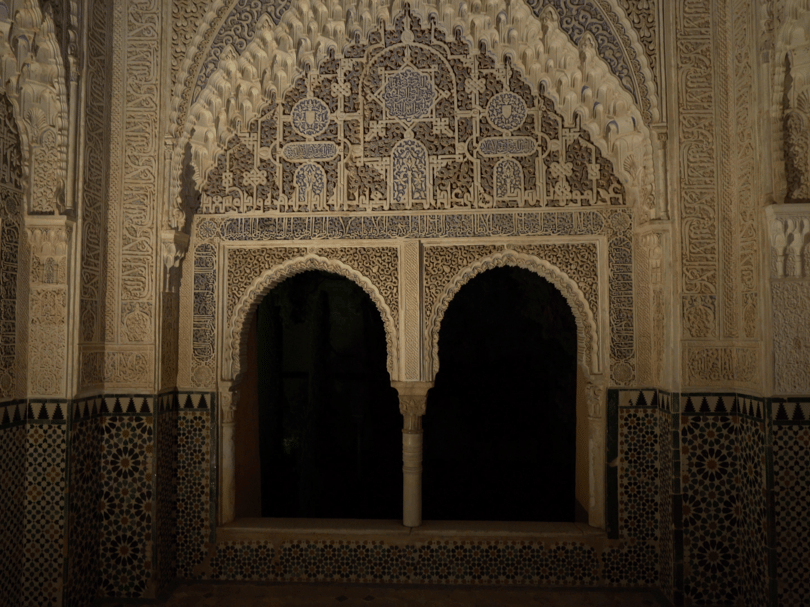
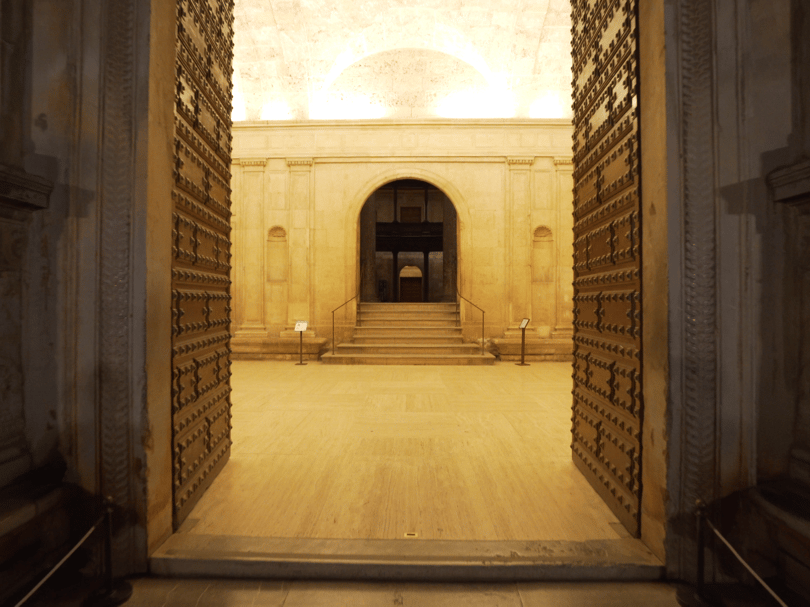
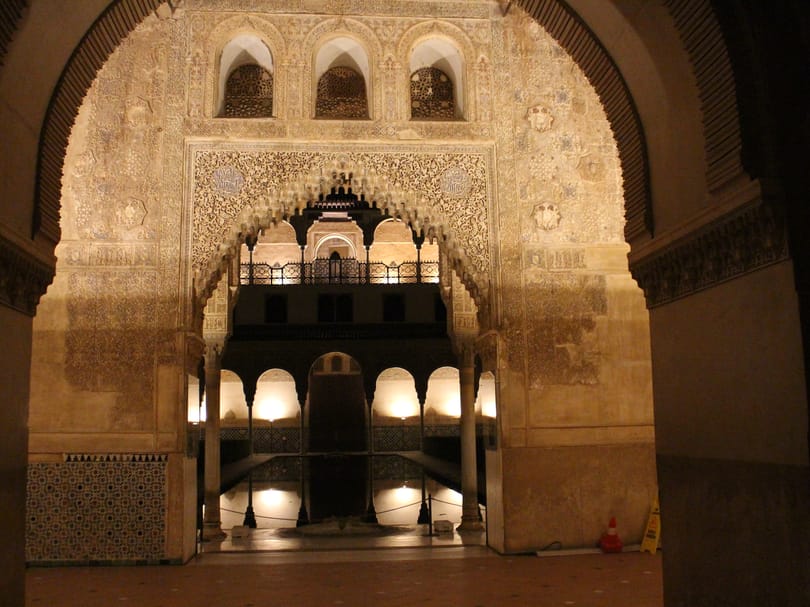
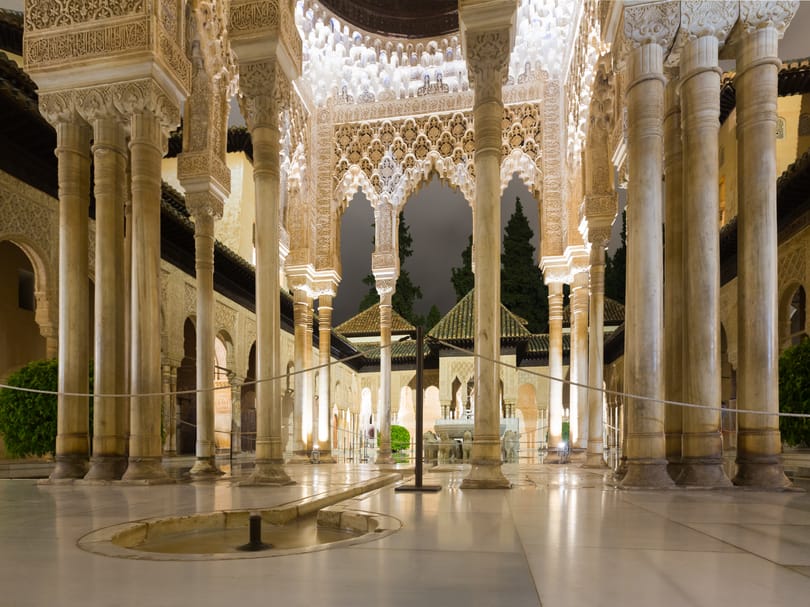
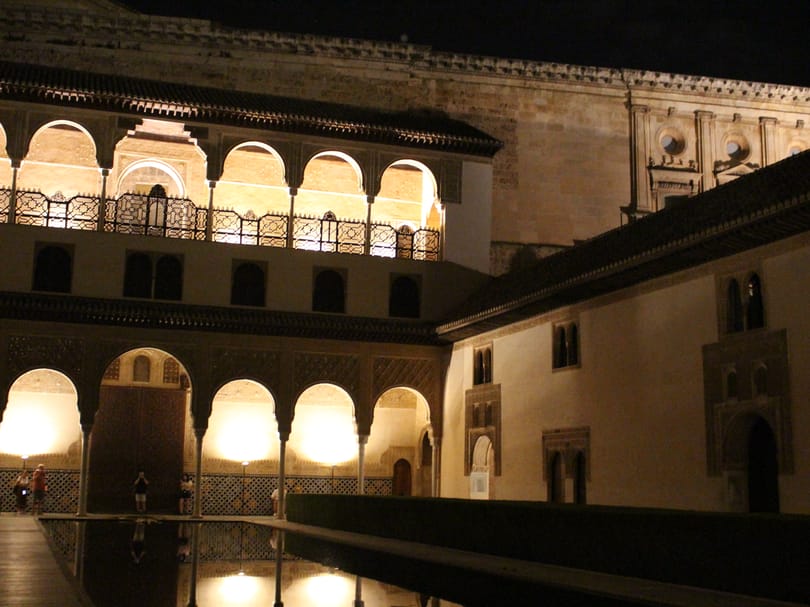
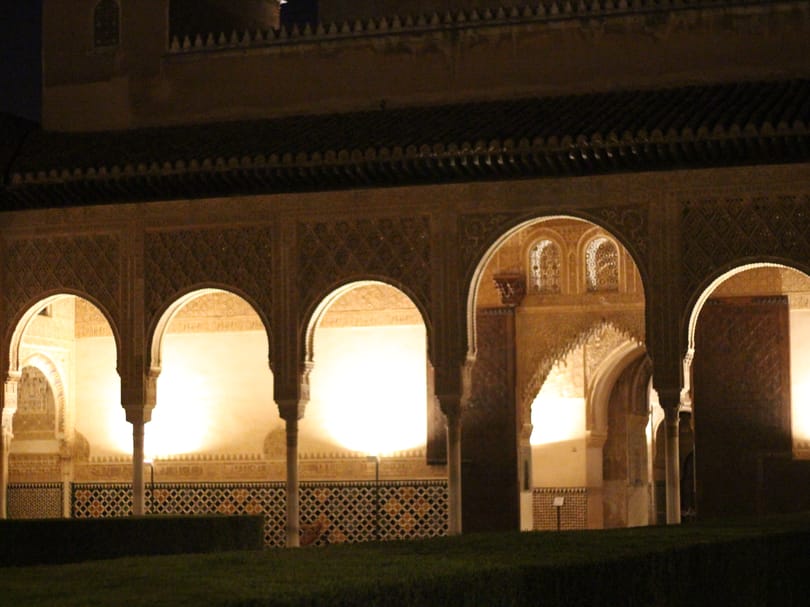
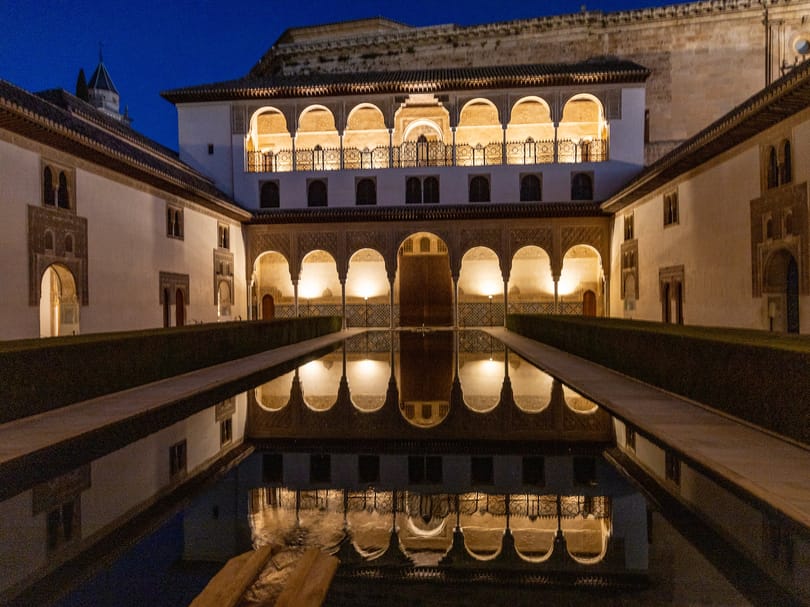
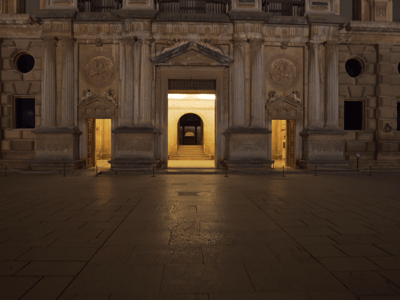
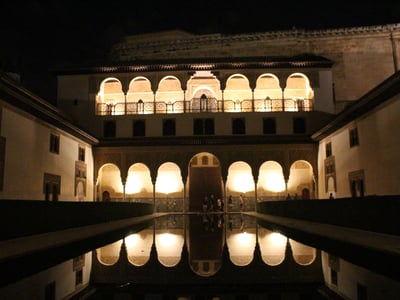
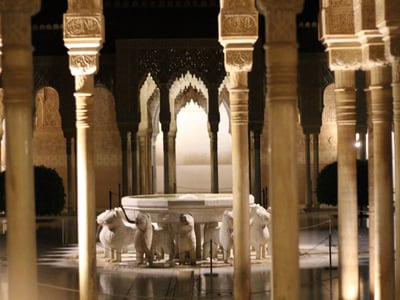
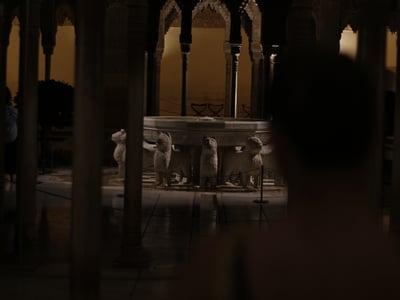
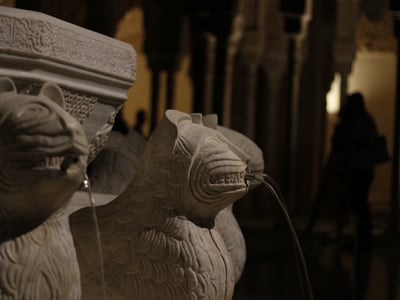
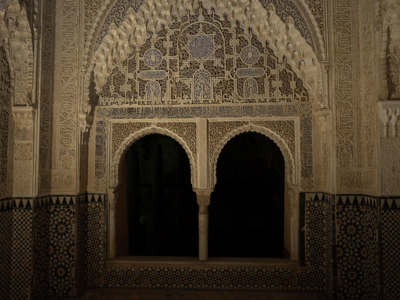
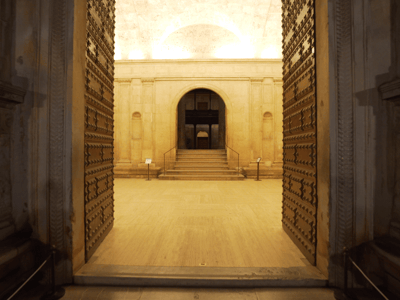
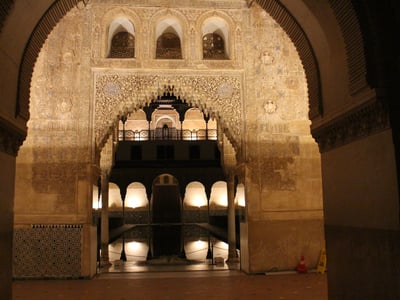
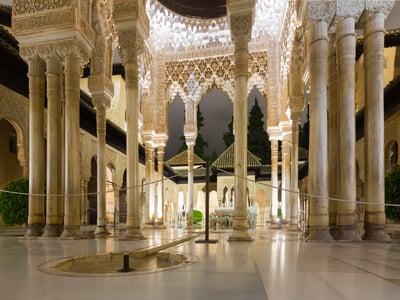
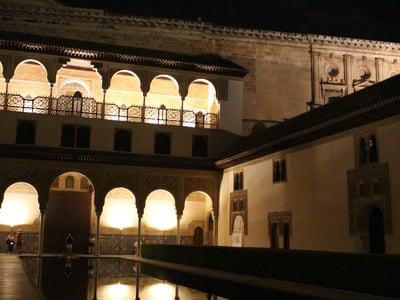
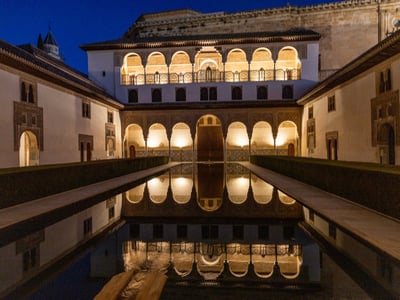
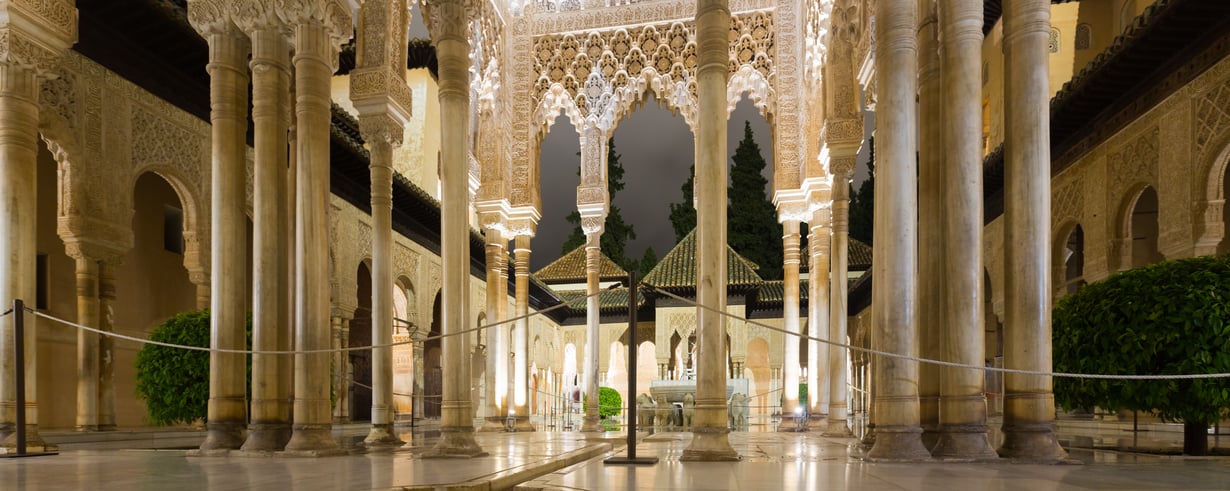
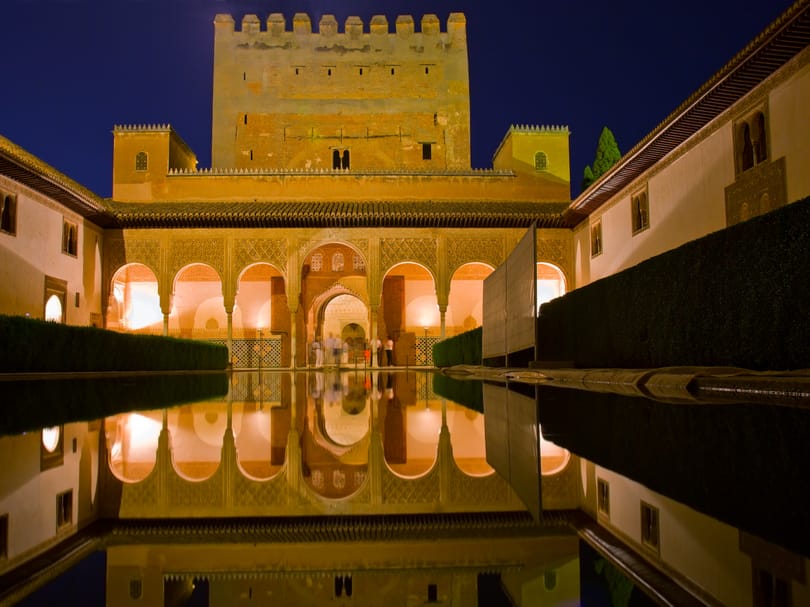
Your guide, who’s studied the Alhambra’s architecture and history in detail, walks you through the full sweep of the complex. You’ll start at the Palace of Charles V — an unexpected Renaissance rotunda inside the Islamic fortress — and learn about the conflicting powers that converged here. Then enter the Nasrid Palaces, where Moorish design holds full sway. In the Court of the Myrtles, the Alberca (reflecting pool) is glossy and still as you never see it by day, perfectly reflecting the Comares Tower beside it. At the Mexuar, your guide takes you further back in time to the sultan’s council chamber, the oldest place in the palace, elaborately decorated with tilework. The emotional peak comes in the Palace of the Lions. Its 124 marble columns, slender as saplings, ring the famous lion fountain, and your guide can read the ode carved into the basin's rim by the court poet Ibn Zamrak, describing the water as molten silver. In the Hall of the Abencerrajes, look up: A muqarnas dome of over 5,000 prismatic cells unfolds from a central eight-pointed star, and 16 small windows filter light into the honeycomb — an effect that, at night, feels less architectural and more celestial. It’s a place that rewards stillness, and after dusk, you finally have the time to stand still.